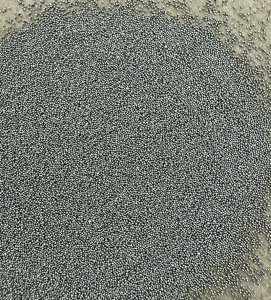
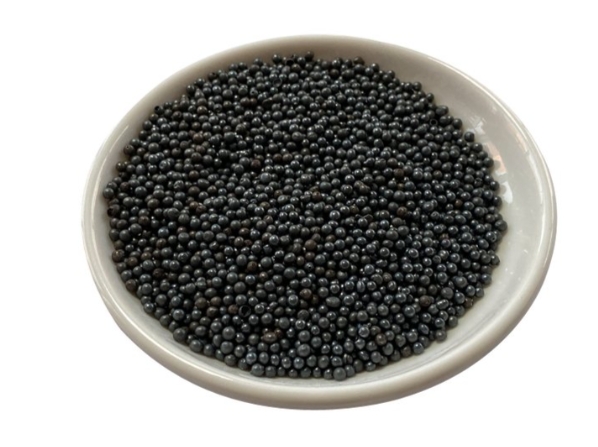
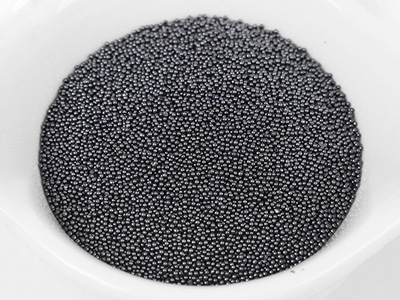
Steel Shots, also known as steel grits or steel balls, are manufactured from high-quality scrap steel fragments. The production process goes through electric furnace smelting, forming into steel grits via special production equipment, multiple electric heat treatments and automatic screening, with strict control over particle size and mechanical properties, to finally produce various models of national standard steel shots that meet different application requirements.
Steel Shot Models:S780 S660 S550 5460 S390 S330 S280 S230 S170 S110
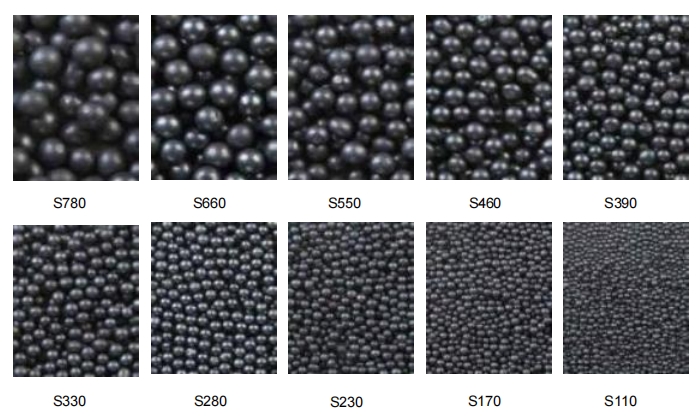
Selection of Steel Shot Models:
In any application field, the quality of steel shots and steel grits is the key to efficient operation. It determines whether energy can be effectively converted during use to achieve cleaning and strengthening effects, and also affects the processing cost. The selection of steel shots is directly proportional to work efficiency, and choosing the right steel shot model is the core to improving work efficiency.
Key points for correct steel shot selection:
The model and specification of steel shots are mainly determined by the type of workpieces to be processed. Aluminum shots and copper shots are usually used for non-ferrous metals.
Steel shots are suitable for ordinary steel weldments, castings and steel materials.
Larger diameter of steel shots leads to higher surface roughness of the processed workpieces, along with higher work efficiency.
Irregularly shaped steel grits or cut wire shots have higher processing efficiency than spherical shots, but result in higher surface roughness. Shots with high processing efficiency also cause faster wear to the shot blasting equipment, yet the wear is not severe when calculated by service time compared with the consumption efficiency. The hardness of cast steel shots is directly proportional to the processing speed, but inversely proportional to the service life.
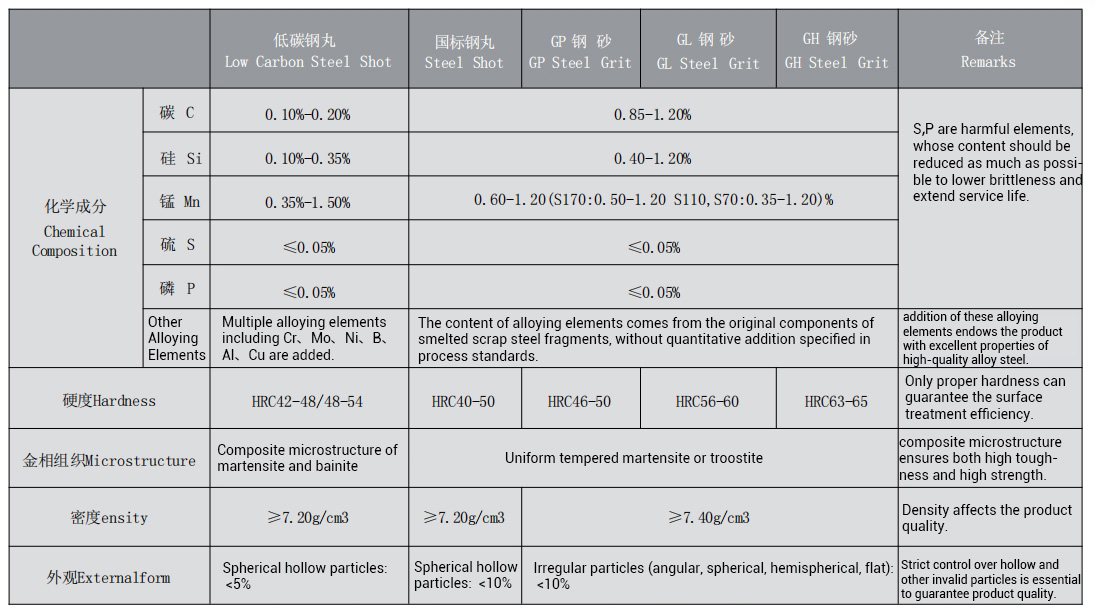
Technical Specifications of Steel Shots and Steel Grits:
1.Chemical Composition: As the most fundamental indicator, it determines the microstructure and subsequent heat treatment effect of steel shots and grits. Carbon (C), Silicon (Si) and Manganese (Mn) can enhance the strength and hardness of steel shots, while Sulfur (S) and Phosphorus (P) are harmful elements that easily cause brittleness and premature fracture, so their content should be kept as low as possible.
2.Hardness: Higher hardness of steel shots brings faster processing speed, but excessive hardness will lead to unsatisfactory surface morphology, higher shot breakage rate, excessive consumption, severe equipment wear and increased maintenance cost, so proper hardness is critical.
3.Microstructure: The microstructure of steel shots (grits) must resist deformation, reduce energy loss when acting on the working surface and extend fatigue life. Tempered martensite has the best fatigue resistance, and brittle carbides in the microstructure must be minimized to avoid premature fracture and increased usage.
4.Physical Defects: Due to production processes, steel shots (grits) inevitably have certain physical defects that cause abrasive fracture. Corresponding control procedures must be adopted in production to reduce the proportion of defective particles.
5.Fatigue Life: It refers to the fracture resistance of steel shots (grits) when acting on the working surface.
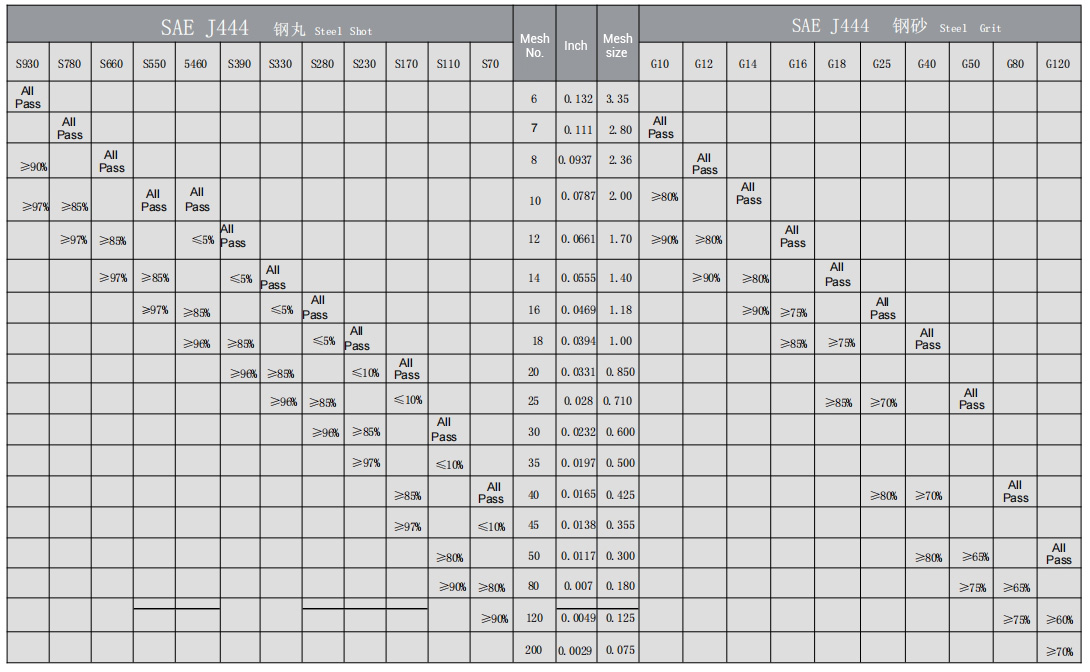
Comparison Table of Technical Specifications for Steel Shots and Steel Grits
Steel shot and grit size distribution